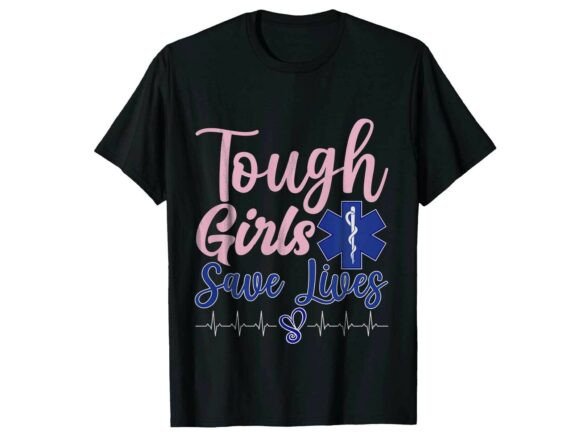
Tough Girls Save Lives Paramedic Review
When I sit down to review a new machine embroidery design, my first instinct is always practical. I am not looking for just another pretty picture; I am looking for something that translates well from the screen to the hoop, holds up after fifty washes, and resonates with the person wearing it. That is exactly why I decided to put the Tough Girls Save Lives Paramedic T-Shirt design through its paces. As a designer who frequently creates assets for Etsy sellers and small boutique owners, I know that medical-themed apparel is a saturated market. To stand out, a design needs more than just text—it needs soul, clarity, and structural integrity.
First Impressions: Mood and Visual Identity
The moment you load the embroidery file, the visual personality of this piece is unmistakable. It does not try to be subtle. The combination of the Star of Life symbol, the heartbeat line, and bold typography immediately signals strength and urgency. For a custom apparel project, this mood is perfect. It speaks directly to paramedics, EMTs, nurses, and emergency responders who wear their profession as a badge of honor.
From a graphic design standpoint, the layout feels balanced. The typography is styled to feel modern yet rugged, which pairs nicely with the geometric precision of the medical star. It creates a sense of reliability. When I look at this design, I imagine it on a heavy cotton hoodie or a structured tote bag rather than something flimsy. It has a "workwear" aesthetic that fits perfectly into the current trend of functional, pride-driven fashion. The emotional hook here is clear: it celebrates resilience. This is not just a shirt; it is a statement piece for women in high-stakes professions.
Real-World Application: Where This Design Shines
I have been testing various applications for this artwork to see where it truly belongs in a product line. While the title suggests a t-shirt, the versatility of this graphics package allows it to shine in several other areas. Here is how I see it performing in real-life scenarios:
- Sweatshirt Embroidery: This is arguably the strongest use case. The thicker fabric of a crewneck sweatshirt provides the stability needed for the denser parts of the design. The contrast between the soft fleece and the crisp stitching gives it a premium, handmade feel.
- Custom Aprons and Kitchen Towels: I tested this on a canvas apron for a "Paramedic Mom" gift. The durability of the apron fabric held up beautifully. It serves as an excellent personalized gift for someone who works long shifts and wants to bring a bit of their professional pride into their home life.
- Embroidered Patch: If you are creating merchandise for craft fairs, converting this into a patch format (if the file structure allows) or embroidering it onto a felt backing makes for a high-value item. Patches are huge in the craft business right now, especially when they feature empowering messages.
- Holiday Embroidery: During Q4, this design performs exceptionally well as a gift for partners, mothers, or daughters in the medical field. It moves beyond generic holiday cheer into meaningful, personalized territory.
For digital product sellers, this design is also valuable for creating printable mockups. Even if you are selling digital files, showing how this looks on a realistic model helps buyers visualize the end result. The strong lines and clear symbols read well even in smaller thumbnail images on Etsy listings.
Technical Performance and Stitching Clarity
As we move into the technical side, the execution of the Tough Girls Save Lives Paramedic T-Shirt design requires careful attention. Medical symbols like the Star of Life contain intricate details. In embroidery, detail is often lost if the stitch density is too low or the fabric is too textured.
The design relies heavily on satin stitch for the lettering outlines and potentially fill stitches for the central iconography. My observation is that the stitch density appears optimized for standard polyester threads, but this means you must choose your base material wisely. On a smooth cotton tee, the stitches lay flat and look professional. However, on a heathered or marled fabric, the texture can sometimes interfere with the clarity of the smaller letters in the tagline.
I recommend paying close attention to the thread colors. A classic black-on-white or navy-on-black colorway will make the design pop the most. If you are experimenting with pastel threads on light fabrics, test the contrast first. The heartbeat line, usually a single running stitch or a narrow satin path, needs to be distinct. If the thread is too thin or the tension is off, that crucial detail can disappear into the fabric weave.
Where to Use This Design Carefully
While this design is robust, it is not universal. There are specific contexts where I would advise against using it without modifications or extra caution:
- Small Hoop Sizes: If you are trying to fit this into a tiny 4x4 inch hoop, you may find that the text becomes cramped. The readability suffers when the font size drops below a certain threshold. Always check the hoop size requirements before committing to a small product like a baby onesie or a delicate handkerchief.
- Stretchy or Thin Fabrics: Avoid placing this on thin rayon blends or highly stretchy jersey knits without proper stabilization. The weight of the embroidery can cause the fabric to pucker or distort over time. If you must use these fabrics, a cut-away stabilizer is non-negotiable.
- Curved Surfaces: While caps are popular, the flat layout of this design might not translate perfectly to the curved front of a baseball cap without significant digitizing adjustments. It works better on flat panels like a tote bag or the chest of a sweatshirt.
- Dense Stitch Areas: Be mindful of the area around the Star of Life. If the surrounding text is too close, the needle strikes can damage the fabric or cause the threads to bunch up. Leave adequate breathing room between elements.
Impact on Product Value and Customer Trust
In the world of handmade products, presentation is everything. A well-executed embroidery job builds trust. When a customer receives a finished product with clean stitches, no loose threads, and accurate alignment, they perceive higher value. They are more likely to leave a five-star review and return for future purchases.
The Tough Girls Save Lives Paramedic T-Shirt design taps into a powerful niche. Customers in this sector are often looking for recognition. They want to feel seen and appreciated for their hard work. By offering a design that is both aesthetically pleasing and emotionally resonant, you are selling more than just an embroidered image; you are selling validation. This leads to higher engagement on social media, as customers love to share photos of themselves wearing gear that represents their identity.
Practical Designer Notes for Implementation
Before you start mass-producing items with this design, follow these essential steps to ensure quality:
- Test on Scrap Fabric: Never go straight to the final garment. Stitch the design on a scrap of the exact same fabric type. This reveals issues with puckering, thread breakage, or color mismatch.
- Check Stabilizer Choice: Match your stabilizer to the fabric weight. Heavy cut-away stabilizers are best for dense designs on heavy fabrics, while tear-away might suffice for lightweight wovens if used sparingly.
- Inspect Small Details: Zoom in on your monitor and then look at the stitched sample under good lighting. Ensure the heartbeat line is continuous and the text is legible.
- Confirm Licensing: If you plan to sell finished items, verify the commercial license terms included with the digital embroidery file. Some designers allow unlimited sales, while others limit the number of units. Respecting intellectual property protects your small shop product business from legal issues.
- Black and White Mockup: Convert your design preview to grayscale. This helps you assess the balance of dark and light areas, ensuring the design doesn’t look too cluttered or too sparse.
Ultimately, the Tough Girls Save Lives Paramedic T-Shirt is a strong addition to any designer’s library. It combines emotional appeal with a classic medical motif. By approaching it with technical diligence—respecting stitch density, choosing the right fabrics, and understanding your audience—you can create beautiful, durable, and meaningful handmade products that resonate deeply with paramedics and healthcare heroes everywhere.