Review: Vintage Bigfoot EMT Paramedic Embroidery Design
As an embroidery designer who has stitched thousands of files for everything from boutique branding to personalized gifts, I have learned that the difference between a good design and a great one often comes down to execution. Today, I am taking a close look at the Vintage Bigfoot EMT Paramedic T-Shirt graphic. At first glance, it promises a fun crossover between emergency medical services and cryptid culture, but does it translate well when converted into a physical machine embroidery design? This review breaks down how this Graphics file performs in real-world stitching scenarios, helping you decide if it belongs in your next embroidery project.
First Impressions and Visual Personality
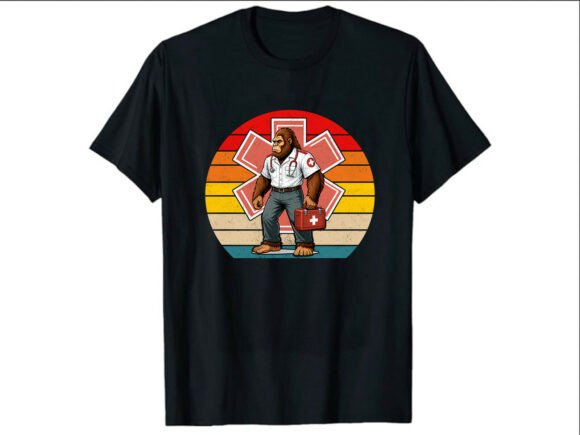
The core concept here is immediate and engaging. A Sasquatch medic carrying a first aid kit against a retro sunset with a Star of Life symbol creates a strong visual narrative. For designers targeting niche markets, this is gold. It appeals directly to paramedics, EMT students, and fans of outdoor folklore. The "vintage" aesthetic suggests a distressed or muted color palette, which is crucial for embroidery because it allows for better thread definition than overly bright, flat colors.
From a layout perspective, the composition feels balanced. The central figure of the Bigfoot EMT provides a clear focal point, while the background elements (the sunset and symbol) add depth without overwhelming the main subject. When I imagine this on a finished product, it doesn't feel like a cheap novelty item; it feels like a piece of wearable art. This distinction is vital for small business owners and Etsy sellers who need their products to command a higher price point. The design naturally lends itself to a sense of humor and professionalism simultaneously, making it suitable for both casual wear and work-related merchandise.
Real-World Application: Where This Design Shines
In my experience, certain designs are versatile enough to span multiple product categories, while others are limited. The Vintage Bigfoot EMT Paramedic T-Shirt file is surprisingly adaptable. Here is how I see it performing in specific contexts:
- Custom Apparel and Sweatshirts: This is the most obvious application. On a heavy cotton sweatshirt, the retro vibe pairs perfectly with the fabric's texture. The design works well as a chest pocket placement or a larger back print. For sweatshirt embroidery, the contrast between the dark fabric and lighter thread tones (if chosen correctly) will make the Star of Life pop.
- Embroidered Patches: Because the design has a contained shape, it translates beautifully into an embroidered patch. These are high-value items for craft business owners. You can offer them as accessories for backpacks, denim jackets, or hats. The detailed nature of the first aid kit adds tactile interest that customers love.
- Personalized Gifts and Holiday Embroidery: Emergency responders often struggle to find unique gifts for their colleagues. This design hits the sweet spot of personalization. It makes an excellent holiday gift or a "just because" token of appreciation. The theme is lighthearted yet respectful of the profession.
- Boutique Branding and Tote Bag Design: For digital product sellers or those creating mockups, this image serves as a strong example of how niche themes drive sales. On a canvas tote bag, the vintage aesthetic complements the rugged material, creating a cohesive handmade product look.
Technical Considerations and Stitch Performance
Converting a graphic into an embroidery file requires careful attention to stitch types. While I cannot verify the exact digitization of this specific file without testing it, we can analyze the potential challenges based on the visual elements.
The Satin stitch is likely used for the outlines of the Bigfoot figure and the Star of Life. Satin stitches provide a clean, polished edge, which is essential for legibility. However, if the digitizer did not optimize the underlay stitches, fine details might pucker, especially on thinner fabrics. The fill stitch areas, such as the sunset gradient or the medic’s uniform, need sufficient density to cover the fabric completely. If the density is too low, the fabric texture will show through, ruining the vintage look. Conversely, if it is too dense, the fabric may become stiff and uncomfortable.
The running stitch might be used for smaller details like the text or the straps of the first aid kit. These thin lines are where digitization errors often occur. If the spacing is inconsistent, the final result can look messy. As a reviewer, I always advise checking these small details by zooming in on the digital preview before loading the file into your machine.
Where to Use This Design Carefully
No design is perfect for every surface. There are specific situations where the Vintage Bigfoot EMT Paramedic T-Shirt design might struggle:
- Small Hoop Sizes: If you attempt to stitch this on a very small area, such as a baby onesie sleeve or a tiny cap logo, the intricate details of the first aid kit and facial features may become indistinct. Always check the recommended hoop size before committing to a small garment.
- Textured and Stretchy Fabrics: While it looks great on cotton, applying this to highly textured fabrics like bouclé or stretchy synthetics can cause distortion. The stabilizer may not hold the tension evenly, leading to misaligned stitches. For baby embroidery or stretchy activewear, extra care with stabilizers is required.
- Dark Fabric Backgrounds: If the original graphic relies on light colors for contrast, stitching it on black or navy fabric might require additional thread changes or backing layers to ensure visibility. Test the thread colors against your target fabric first.
- Curved Surfaces: Stitching on caps or curved pillow covers requires a specialized hoop. The flat layout of the graphic must be adjusted for curvature during digitization. If the file is not optimized for curves, the design may look stretched or compressed on the final product.
Practical Designer Notes for Success
To ensure your finished product meets professional standards, follow these practical steps before production:
- Test on Scrap Fabric: Never go straight to the final item. Stitch the design on a scrap piece of the same fabric type to check for puckering, thread breaks, or color clashes.
- Check Stitch Density: Review the design in your software to ensure the stitch density is appropriate for the fabric weight. Heavy fabrics can handle more stitches; light fabrics need less.
- Use Proper Stabilizer: The choice of stabilizer (cut-away vs. tear-away) depends on the fabric. For woven shirts, a cut-away stabilizer is usually best for durability, especially for items that will be washed frequently.
- Inspect Small Details: Zoom in on the first aid kit and the Star of Life. Are the lines crisp? Is there any unnecessary clutter? If the details are too small, consider simplifying the design or enlarging the output.
- Verify Licensing: Before selling this as a commercial embroidery item, confirm the licensing terms. Ensure you have the right to sell finished goods made from this digital embroidery file. This protects your craft business from legal issues.
Final Verdict
The Vintage Bigfoot EMT Paramedic T-Shirt design offers a compelling blend of humor, profession-specific pride, and retro charm. It is a versatile asset for apparel decorators, creative entrepreneurs, and hobbyists alike. When executed with proper technique—correct stabilizer, appropriate hoop size, and careful thread selection—it can elevate a simple t-shirt into a memorable personalized gift or a standout small shop product.
By understanding its strengths and limitations, you can confidently integrate this design into your workflow. Whether you are creating a single custom order or scaling up for a craft fair, this design has the potential to resonate deeply with its target audience. Just remember: the magic is in the stitching, not just the graphic. Take your time, test thoroughly, and let the quality of your work speak for itself.