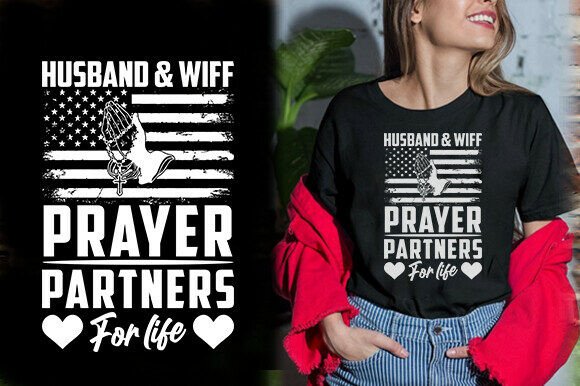
HUSBAND and WIFE PRAYER PARTNERS FO LIFE
When I first opened the file for HUSBAND and WIFE PRAYER PARTNERS FO LIFE, my initial reaction was a mix of curiosity and caution. As someone who has spent years turning digital graphics into tangible, stitched realities, I know that a clever concept on a screen doesn't always translate perfectly to thread. The product description markets this as a "Top Funny Wife Husband Couple T-Shirt Design" perfect for the POD market, but in my experience, the true test is how it holds up under the needle on real-world projects.
The phrase itself carries a specific emotional weight. It blends humor with faith, creating a mood that feels warm, intimate, and slightly nostalgic. Visually, the layout suggests a classic couple's motif, likely centered or arched to fit standard garment placements. For an embroidery designer, the immediate question is: does this design feel like a mass-produced generic item, or does it have enough character to stand out in a crowded marketplace? In this case, the text-heavy nature implies that the success of the project relies entirely on typography choice, stitch density, and thread contrast.
From Screen to Stitch: A Real-World Scenario
Let's imagine a practical scenario where I decided to use HUSBAND and WIFE PRAYER PARTNERS FO LIFE for a custom client order. The request was for a personalized gift set for a wedding anniversary. My instinct was to move away from the standard t-shirt and explore something more tactile, like a high-quality kitchen towel or a sturdy canvas tote bag. These items are staples for Etsy sellers and boutique owners looking to create unique, handmade products that customers cherish.
I loaded the design onto my machine, selecting a natural linen fabric for the towels to complement the spiritual theme. The first impression during stitching was crucial. The text needed to be crisp, yet soft enough not to feel like a hard patch on a flexible cloth. If the design includes a lot of fill stitches, the fabric might pucker if the stabilizer isn't chosen correctly. However, if the design utilizes clean satin stitches for the lettering, it creates a professional sheen that elevates the perceived value of the finished product.
For the couple receiving this gift, seeing their names or the sentiment embroidered on a daily-use item like an apron or a pillow cover adds a layer of intimacy that a printed graphic simply cannot match. The design works exceptionally well for holiday gifts, particularly around Christmas or Valentine's Day, when couples are actively seeking meaningful matching couple shirts or coordinated home decor. The visual personality of the design shifts from "funny" to "sentimental" depending on the thread colors chosen—gold and white on black can look regal, while pastel threads on cream make it feel softer and more domestic.
Performance Across Different Embroidery Projects
While the description highlights its suitability for t-shirts, a savvy designer knows that versatility is key to profitability. This design has potential far beyond the cotton tee. On a sweatshirt, the thicker fabric provides a great foundation for the design, allowing the stitches to sit proudly without sinking into the material. It is also an excellent candidate for baby embroidery; placing a smaller version of HUSBAND and WIFE PRAYER PARTNERS FO LIFE on a onesie or a nursery blanket can be a heartwarming touch for parents who want to express their values early on.
However, the application requires strategic thinking. For commercial embroidery projects, such as creating a line of merchandise for a small shop, consistency is vital. The design must look identical whether it is stitched on a cap, a patch, or a tea towel. This is where the technical aspects of the embroidery file come into play. The stitch density needs to be balanced so that the design doesn't become too heavy for delicate fabrics but remains substantial enough to hold its shape on heavier materials.
In terms of visual appeal, the design serves as a strong conversation starter. When a customer sees a finished product featuring this text, they immediately understand the story behind the item. This recognition boosts buyer engagement and trust. It signals that the maker put thought into the selection of the design assets, ensuring brand consistency across all listings. Whether it is used for a printable mockup to showcase on social media or a physical item at a craft fair, the design effectively communicates the message of partnership and prayer.
Where Caution is Required
Despite its strengths, there are specific situations where HUSBAND and WIFE PRAYER PARTNERS FO LIFE requires careful handling. Small hoop sizes present a significant challenge. If the text is condensed too tightly to fit a 4x4 hoop, the individual letters may merge, making the message illegible upon close inspection. Similarly, textured fabrics like thick fleece or bouclé can obscure fine details. The thread might get lost in the weave, reducing the clarity of the design.
Stretchy fabrics, such as those found in many athletic wear or fitted t-shirts, demand extra attention. Without proper stabilizers, the tension of the stitches can cause the fabric to pucker or distort over time, especially after washing. Dark fabrics are another consideration; if the design uses light-colored threads, the visibility might be compromised unless a contrasting underlay is applied. Additionally, curved surfaces like caps require a specialized hat attachment and often necessitate digitizing adjustments to account for the curvature, which a standard flat design file might not accommodate perfectly.
Dense stitch areas can also lead to issues if the design is pushed too hard. Over-stitching can make the fabric stiff and uncomfortable, detracting from the quality of the finished product. For products that need frequent washing, like aprons or baby clothes, the durability of the stitches becomes paramount. If the design relies on tiny lettering or intricate decorative accents, these elements are prone to fraying or breaking down faster than larger, bolder shapes.
Essential Notes for the Embroidery Designer
Before committing to a full production run or selling a batch of handmade products, there are several steps every professional should take. First, always test the design on scrap fabric. This allows you to see how the thread colors interact with the specific fabric texture you plan to use. Check the thread color contrast carefully; what looks good on a monitor might appear muddy on actual yarn.
Review the stitch density and confirm the recommended hoop size for your specific machine. Inspect small details to ensure they won't get lost in the stitching process. It is also wise to test the design in black and white mockups to verify that the hierarchy of the text remains clear regardless of color variations. Compare the results on both light and dark fabric backgrounds to determine the most versatile approach.
Using the proper stabilizer is non-negotiable for maintaining the integrity of the design. Furthermore, verify whether the design works for both personal and commercial projects. Many digital embroidery files come with specific licensing terms that dictate whether you can sell the finished items. Confirming these details before starting ensures you avoid legal pitfalls and maintain professionalism in your craft business.
Ultimately, HUSBAND and WIFE PRAYER PARTNERS FO LIFE offers a compelling opportunity for designers willing to invest time in the finishing touches. It bridges the gap between a simple graphic and a meaningful keepsake. By paying attention to the nuances of machine embroidery design—from stabilizer choice to thread selection—you can transform this digital asset into a stunning, functional piece of art that resonates with customers and stands the test of time.