Flying Graduation Hats Overlay Grad Cap
When I open a new zip folder of design assets, my first instinct is not to look at the file size or the format list. I look for potential. I want to know if this graphic has enough visual weight to survive the translation from screen to stitch, and whether it will hold up under the scrutiny of a customer who paid for a handmade item. Today, I am evaluating Flying Graduation Hats Overlay Grad Cap, a digital asset marketed within the T-Shirt Designs and Graphics categories. My goal here is to strip away the marketing fluff and discuss how this specific embroidery design performs in real-world applications, from boutique merchandise to personal gifts.
First Impressions and Visual Personality
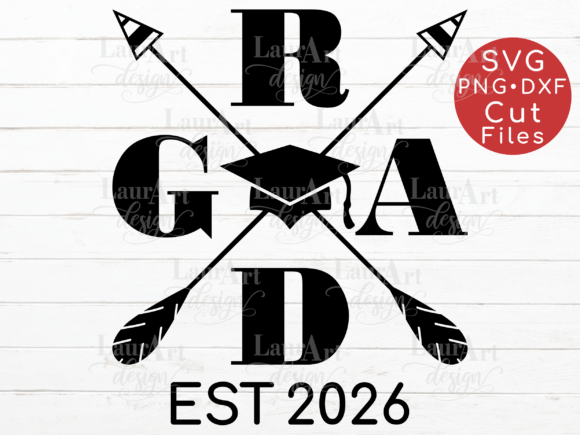
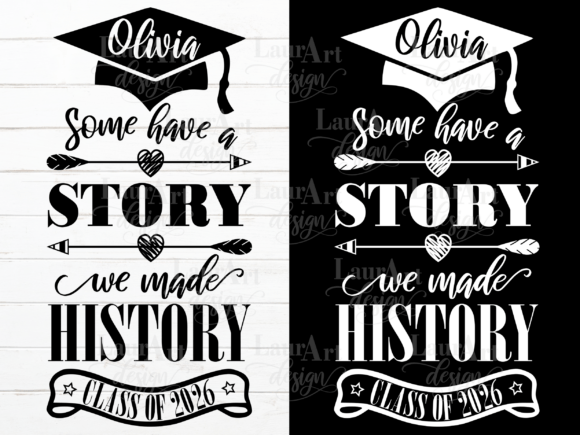
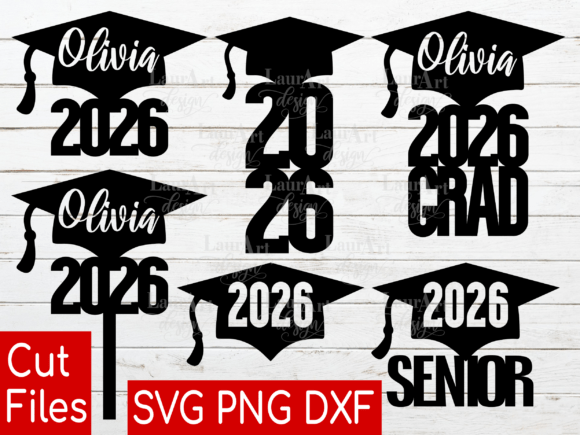
The moment you load the preview, the energy of the piece is undeniable. The title suggests motion, and that is exactly what the composition delivers. Unlike static, centered graduation motifs that can feel stiff or traditional, this design captures the celebratory chaos of caps flying into the air. For an embroidery designer, this dynamic layout is both a blessing and a challenge. It creates immediate excitement, which is crucial for seasonal products like graduation gifts, but it requires careful placement to ensure the eye doesn’t get lost in the clutter.
The mood is festive, youthful, and energetic. It feels less like a formal academic symbol and more like a celebration of achievement. This makes it particularly effective for high school graduations, college send-offs, or even creative professional milestones where the vibe is casual rather than ceremonial. As a machine embroidery design, it promises a playful aesthetic that stands out on social media feeds—a key factor for any Etsy seller or small shop product owner trying to catch attention in a crowded marketplace.
Real-World Application Scenarios
To truly understand the value of Flying Graduation Hats Overlay Grad Cap, we have to imagine it on physical goods. Let’s consider a few scenarios where this design would shine.
Imagine preparing a custom embroidered tote bag for a graduating senior. A tote bag design needs to be bold because it will be seen in transit, at coffee shops, or during move-in day. The scattered nature of the flying hats works beautifully here; it fills the canvas without overwhelming it. When stitched onto a sturdy canvas tote, the design becomes a functional piece of art that the recipient will actually use, extending the life of your brand exposure.
Now, think about personalized gifts. A sweatshirt embroidered with this motif hits a different emotional note. Sweatshirts are often worn long after the ceremony ends. The sweatshirt embroidery market is huge for graduates, and a dynamic design like this adds a layer of nostalgia. It captures the exact moment of release and joy. However, you must be mindful of the placement. Centered chest designs work best for this type of active imagery, allowing the "flight" of the hats to have room to breathe.
For those dealing in baby items or nursery decor, this design might seem unexpected, but it has its place. A onesie or a small blanket for a child whose older sibling is graduating can be a thoughtful touch. In this context, the design should be scaled down significantly. The embroidery project shifts from a statement piece to a sentimental keepsake. The contrast between the tiny garment and the lively design creates a charming juxtaposition that customers appreciate.
Another strong candidate for this design is the embroidered patch. Whether applied to a denim jacket, a backpack, or a cap, patches allow for clean edges and defined shapes. If the design files include clear outlines, they can be easily converted into applique styles, adding texture and depth to the final product.
Technical Considerations and Stitch Clarity
As a reviewer, I cannot overlook the technical execution. Not all graphics translate well to thread. The success of Flying Graduation Hats Overlay Grad Cap depends heavily on how the original artist handled the stitch density and detail level.
Graduation caps are geometric objects. They consist of squares, tassels, and fringes. In embroidery, fine lines can disappear if the stitch density is too low, while overly dense areas can cause puckering, especially on lightweight fabrics. You need to inspect the vector paths closely. Do the tassels have enough definition? Are the corners of the mortarboards sharp, or do they blur together? If the design relies on thin lines to convey the shape of the hat, you may need to adjust the settings or choose a thicker thread weight to maintain clarity.
Color choice is equally critical. The design likely relies on contrast to define the individual hats against each other. On dark fabric, light threads will pop, but you must ensure there is enough separation between adjacent elements so they don’t bleed visually. On light fabric, darker threads provide better definition. Always test your thread colors on scrap fabric that matches your final product. The difference in sheen between satin stitches and fill stitches can also alter the perception of color, so a black-and-white mockup check is a wise preliminary step.
Where to Use Carefully
While this design has broad appeal, there are specific situations where caution is advised:
- Small Hoop Sizes: If you attempt to stitch this design in a very small hoop (under 4x4 inches), the details may become muddy. The flying elements require space to be legible. Crowding them reduces the impact.
- Textured Fabrics: While denim or canvas provides a great base, highly textured fabrics like bouclé or thick terry cloth can obscure fine details. The thread may sink into the weave, losing its crispness.
- Stretchy Fabrics: For custom apparel made from jersey or spandex blends, stabilization is key. Without proper backing, the tension of the stitching can distort the fabric, warping the shape of the graduation caps.
- Curved Surfaces: Applying this to a cap or a curved tote handle requires advanced technique. The flat nature of the digital file may not account for the curvature, leading to distortion at the edges of the hoop.
- Dense Stitch Areas: If the design uses heavy fill stitches for the caps, it can become stiff and uncomfortable to wear, particularly on a baby item or a delicate shirt. Check the stitch count and consider reducing density if comfort is a priority.
Impact on Product Value and Brand Trust
In the world of handmade commerce, presentation is everything. A well-executed embroidery project signals professionalism and care. Using a design like Flying Graduation Hats Overlay Grad Cap can elevate your brand consistency if used across a cohesive collection. For instance, pairing it with matching monograms or complementary motifs can create a premium feel.
Customers trust brands that deliver quality. If the stitching is clean, the threads are vibrant, and the design aligns perfectly with the garment, the perceived value of the item increases. Conversely, a poorly executed design can lead to returns and negative reviews. By testing thoroughly—checking for loose threads, ensuring proper stabilizer removal, and verifying that the design sits correctly on the garment—you protect your reputation as a craft business owner.
Furthermore, the versatility of this design allows for diverse marketing angles. You can create printable mockups showing the design on various products, from aprons to pillow covers, helping potential buyers visualize the finished result. This visual clarity boosts buyer engagement and conversion rates.
Practical Designer Notes for Success
Before committing to a full production run, follow these practical steps:
- Test on Scrap Fabric: Never skip this step. Test the design on the exact fabric and stabilizer combination you plan to use. Observe how the fabric behaves under the needle.
- Review File Formats: Ensure you have the correct formats for your machine. While SVG and DXF are standard, verify that the PNG files are high-resolution if you need them for digital previews.
- Check Licensing: Confirm whether the license allows for commercial use. Selling finished items requires different permissions than selling digital files. Clear licensing prevents legal issues and builds trust with your clients.
- Inspect Small Details: Zoom in on the digital file. Look for jagged edges or missing nodes that could cause stitching errors. Clean vectors result in cleaner stitches.
- Compare Backgrounds: Test the design on both light and dark backgrounds to ensure maximum visibility and aesthetic appeal.
In conclusion, Flying Graduation Hats Overlay Grad Cap is a versatile and engaging design asset. It offers a dynamic alternative to static graduation motifs and fits well within the broader category of Graphics for T-Shirt Designs. With careful attention to stitch density, fabric choice, and placement, it can serve as a cornerstone for successful commercial embroidery projects. Whether you are creating personalized gifts for friends or building a robust inventory for your online store, this design has the potential to add a touch of celebratory flair to your work. Just remember: the magic happens in the details, and thorough testing is your best tool for ensuring those details shine.