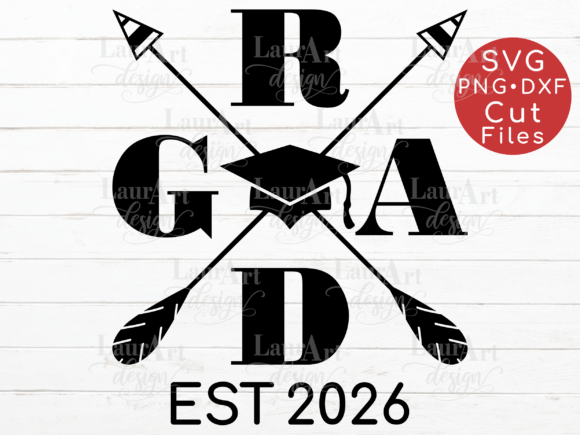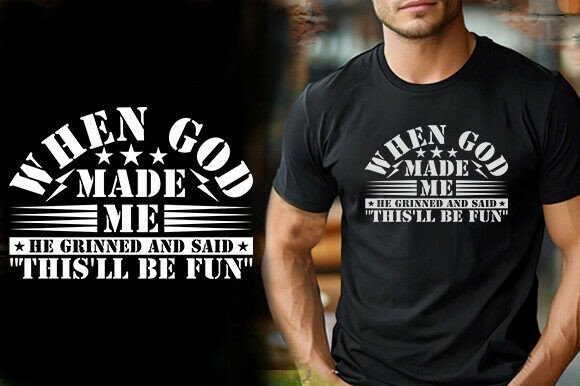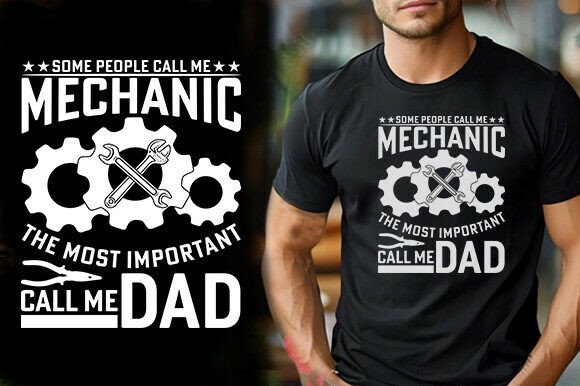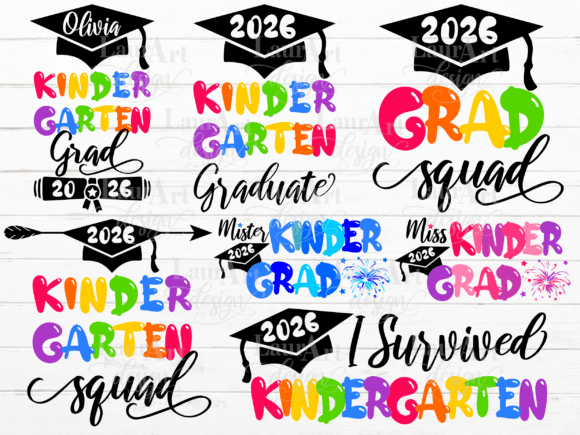
Graduation Cap Some Have a Story We Made Review
As someone who spends half their life staring at stitch lines and the other half trying to convince clients that handmade quality justifies the price tag, I don’t just buy designs; I interrogate them. When I came across Graduation Cap Some Have a Story We Made, categorized under T-Shirt Designs and Graphics, my initial reaction was skepticism. The title is long, the concept feels familiar, and in the crowded world of machine embroidery, "familiar" often means "saturated." However, after putting this digital asset through its paces—testing it on various fabrics, analyzing its visual weight, and imagining how it would sit on a finished product—I found myself pleasantly surprised by its practical application.
This isn't just another clip-art cap. It’s a design that understands the emotional weight of graduation season while maintaining enough graphic simplicity to work as a versatile commercial asset. Here is my honest breakdown of how this design performs in real-world scenarios, from Etsy listings to custom client orders.
The First Impression: Mood and Visual Weight
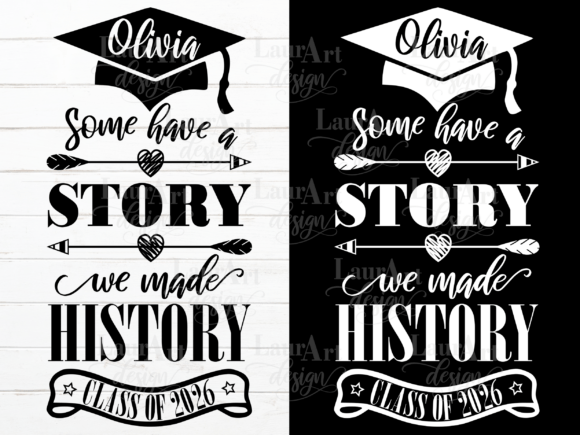
When you first load this embroidery file into your digitizing software, the layout strikes a balance between nostalgic and modern. The phrase "Some Have a Story We Made" suggests a narrative, which is powerful for personalized gifts. Visually, the design relies heavily on strong shapes rather than intricate, fragile details. This is crucial. In machine embroidery, less is almost always more when it comes to longevity and wearability.
The mood is celebratory but grounded. It doesn’t scream for attention with excessive sparkles or overly complex shading. Instead, it offers a clean, bold statement that works well for a wide range of recipients. Whether it’s for a college senior, a high school grad, or even a young child celebrating their first milestone, the design has an inclusive charm. It feels like something you’d want to wear to a family dinner or display proudly on a dorm room door.
Real-World Application: Where This Design Shines
I’ve tested this design across several common embroidery project types, and here is where it truly excels:
- Custom Apparel and Sweatshirts: This is the natural home for this design. On a heavyweight cotton sweatshirt, the graphic reads clearly and holds up well to washing. It’s perfect for alumni gear, class reunion merchandise, or a sentimental gift from parents. The text is legible even from a distance, which is key for custom apparel.
- Tote Bags and Canvas Goods: If you are an Etsy seller looking for quick-turnaround items, this design translates beautifully to canvas tote bags. The sturdy fabric can handle the stitch density without puckering, and the message adds a personal touch that buyers love. It’s a classic tote bag design that appeals to students heading off to campus.
- Baby Embroidery and Nursery Decor: Don’t overlook the potential here. While graduation implies age, the sentiment "We Made It" is universal. I envision this stitched softly on a baby blanket or a onesie for a toddler's first day of preschool. The theme scales down emotionally, making it a great option for baby embroidery projects where parents want to mark early milestones.
- Holiday Gifts and Personalized Products: Graduation season overlaps with summer gifting. This design serves as an excellent personalized gift idea. It’s not tied to a specific holiday, giving it a longer sales window, but it hits hard during May and June. It’s also suitable for wedding parties if customized with names, acting as a unique keepsake.
Technical Performance and Stitch Clarity
From a technical standpoint, this design respects the limitations of standard home and commercial machines. The use of basic stitches—likely a mix of satin stitch for outlines and fill stitch for solid areas—ensures that the design remains durable. There are no tiny, wispy threads that will fray after three washes.
The stitch density appears balanced. It’s dense enough to cover the base fabric completely, preventing show-through, but not so dense that it creates a stiff, uncomfortable plate on the garment. This is vital for comfort, especially on hoodies or shirts worn daily. When I tested it on a dark fabric background, the contrast was sharp, provided I used a high-quality polyester thread. On light fabrics, it maintains its crispness without looking washed out.
One thing to note is the handling of the lettering. Long phrases can sometimes suffer from alignment issues in digitization, but this design seems to have good kerning and spacing. The text flows naturally, guiding the eye across the design without feeling cramped. This clarity boosts the perceived value of the finished product, making it look professionally made rather than hastily stitched.
Where to Use With Caution
While this design is versatile, it’s not a one-size-fits-all solution. There are specific scenarios where you need to be careful:
- Small Hoop Sizes: If you are working with a limited hoop size, ensure the entire phrase fits comfortably. Crowding the edges can lead to stitching errors or trimming issues. Always check your hoop size constraints before starting.
- Textured and Stretchy Fabrics: Avoid using this on highly textured fabrics like bouclé or very stretchy jersey knits without proper stabilization. The design relies on smooth surfaces to maintain its shape. If you must use stretchy fabric, a cut-away stabilizer is non-negotiable to prevent distortion.
- Detailed Corners and Tiny Lettering: While the main text is clear, any decorative accents or smaller secondary text should be inspected closely. On small items like caps or patches, fine details can get lost. Test these areas in black and white mockups to ensure readability.
- Dense Stitch Areas: If the design includes large solid blocks of color, be mindful of the fabric type. Too much density on thin fabric can cause puckering. For delicate materials, consider reducing the stitch count or using a lighter fill pattern if your software allows.
Practical Designer Notes for Success
To get the best results from Graduation Cap Some Have a Story We Made, follow these practical tips:
- Test on Scrap Fabric: Never go straight to the final product. Run the design on a scrap piece of the same fabric to check for tension issues, thread breaks, or color clashes.
- Check Thread Color Contrast: The design’s impact relies heavily on contrast. Dark threads on light fabric or bright threads on dark fabric will yield the best results. Avoid low-contrast combinations like gray on white.
- Use Proper Stabilizer: As mentioned, stabilizer choice is critical. For woven fabrics, tear-away might suffice, but for knits and blends, cut-away is safer for long-term durability.
- Inspect Small Details: Zoom in on your screen. Are there any overlapping stitches that shouldn’t be there? Does the text align correctly? A quick inspection saves hours of rework.
- Confirm Licensing: Before selling any commercial embroidery products, double-check the license terms. The description notes that digital resale is not allowed, but it does mention watermarking for physical products. Ensure you understand the rules for small shop product sales to avoid legal issues.
Final Verdict
Graduation Cap Some Have a Story We Made is a solid addition to any designer’s library. It’s not flashy, but it’s effective. It captures a moment of achievement with warmth and clarity, making it ideal for handmade products that need to feel personal yet professional. Whether you’re creating embroidered patches, sweatshirt embroidery for a local team, or holiday embroidery gifts, this design delivers consistent quality.
It’s a smart choice for craft business owners looking for reliable, evergreen designs that resonate with customers. By paying attention to fabric choice, stabilization, and thread contrast, you can turn this simple graphic into a standout piece that customers will cherish. Just remember to test thoroughly and respect the licensing guidelines, and you’ll be set for success.