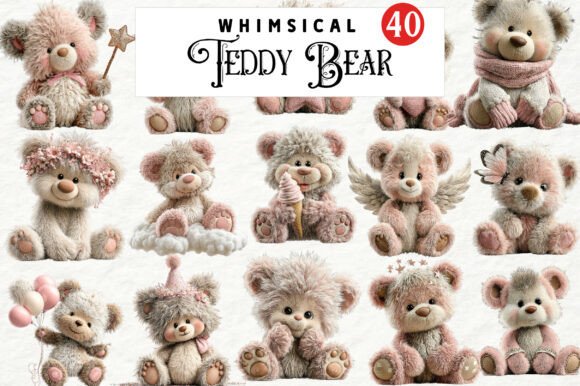
Whimsical Teddy Bear Clipart Review
As a designer who spends more time staring at stitch charts and fabric swatches than sleeping, I have developed a certain level of skepticism when it comes to digital assets. There is a massive difference between a graphic that looks good on a screen and one that actually translates well into thread. Today, I am evaluating the Whimsical Teddy Bear Clipart set, specifically looking at how these 40 PNG files perform in real-world embroidery scenarios. This isn't just about aesthetics; it is about functionality, marketability, and the practical reality of turning a digital image into a tangible, stitched product.
The First Impression: Mood and Visual Personality
When you first load the Whimsical Teddy Bear Clipart, the immediate takeaway is its approachable charm. The illustrations lean heavily into the "cute" and "cuddly" aesthetic, which is a powerful driver in the handmade market. These aren't realistic bear portraits; they are stylized, cartoon-like representations that evoke feelings of softness and nostalgia. For an embroiderer, this visual personality is crucial because it dictates the type of stitches you will likely use. A whimsical design rarely calls for rigid, technical satin stitches. Instead, it invites softer fill stitches, gentle running stitches, and perhaps some applique work to mimic the plush texture of a toy.
The transparent background provided in the PNG files is a significant advantage. It allows for seamless placement on various mockups without fighting against white boxes or awkward borders. The 300 dpi resolution ensures that even if you zoom in to inspect the tiny details of the bear’s stitching or facial features, the image remains crisp. This clarity is essential when planning your digitizing process, as it helps you identify which elements are meant to be focal points and which are subtle accents.
Real-World Application: From Screen to Stitch
Let’s talk about where this design actually lives. Imagine you are preparing a custom order for a client who wants a personalized gift for a new parent. You might choose to embroider one of these teddy bears onto a cream-colored muslin onesie or a soft cotton burp cloth. The Whimsical Teddy Bear Clipart fits naturally here. The theme aligns perfectly with nursery decor and baby gifts, creating an instant emotional connection with the buyer.
But the utility doesn’t stop at baby items. Consider a small business owner preparing inventory for a craft fair. These designs can be adapted for tote bags, aprons, and even caps. Because the clipart offers a variety of files (40 different images), you have the flexibility to create a cohesive collection. You could feature a single bear on the front pocket of denim overalls or repeat a pattern across a tea towel. The versatility of the Graphics category means this asset can serve as a core component of a broader brand identity for a boutique selling handmade goods.
For Etsy sellers and digital product creators, the value lies in the previewability. High-quality PNGs allow you to create stunning printable mockups. Customers want to see what the finished product looks like before they buy. By placing the Whimsical Teddy Bear Clipart onto realistic fabric textures in your listings, you build trust and reduce return rates by setting accurate expectations.
Technical Considerations and Potential Pitfalls
While the artistic merit is high, we must address the technical challenges of converting these illustrations into machine embroidery designs. Not every aspect of the original clipart will translate directly to thread. Here are the critical areas where you need to exercise caution:
- Hoop Size Constraints: If you plan to use these designs on smaller items like caps or cuffs, you must ensure the final embroidered size fits within your machine’s hoop limits. Large, detailed bears may require multiple hooping sessions, which can lead to alignment issues.
- Fabric Texture and Stability: Embroidering on textured fabrics like waffle weave or highly stretchy knits can distort the clean lines of the clipart. Always test on scrap fabric first. Use the appropriate stabilizer—cut-away for knits and tear-away for wovens—to prevent puckering.
- Dense Stitch Areas: The "plush" look of the bear might tempt you to use dense fill stitches. However, excessive density can make the fabric stiff and uncomfortable, especially on baby clothes. Opt for lighter stitch counts and let the negative space do some of the work.
- Color Contrast: Dark fabrics can swallow up light thread colors. If you are embroidering a pastel teddy bear on a navy blue shirt, you may need to add a backing layer or choose a different thread palette to ensure visibility.
Designing for Commercial Success
For those using this as a commercial embroidery asset, the professionalism of the execution matters. A sloppy digitization job can ruin even the cutest design. When converting the Whimsical Teddy Bear Clipart into an embroidery file, pay attention to the underlay stitches. They provide the foundation for the top stitches and ensure the design holds its shape after washing.
Consider the end-user experience. Will the finished product withstand frequent washing? Baby items and kitchen towels go through the wash often. Ensure your thread choices are colorfast and your stitch density is durable but not overly thick. A well-executed handmade product reflects positively on your brand, encouraging repeat customers and positive reviews.
Furthermore, think about personalization. These teddy bears lend themselves well to adding names or dates. Whether it’s a child’s name stitched above the bear or a birthdate below, the simple lines of the clipart provide a perfect canvas for customization. This adds perceived value to the item, allowing you to charge a premium for personalized gifts.
Practical Designer Notes for Implementation
- Test Before You Commit: Never run a new design on your final product without testing it on similar fabric and stabilizer combinations.
- Review in Black and White: Convert your design to grayscale to check contrast levels. If the details disappear in black and white, they will likely get lost in color on the fabric.
- Check Licensing: While the product description mentions usage rights, always double-check the specific license terms regarding commercial sales. Some clipart sets restrict the number of physical items you can sell.
- Thread Selection: Experiment with different thread sheens. Matte threads often look more natural on whimsical designs, while metallic threads can add a festive touch for holiday projects.
- Stabilizer Choice: Match your stabilizer to the fabric weight. Heavy fabrics need heavy stabilizers; lightweight fabrics need delicate support to avoid bulk.
Final Verdict
The Whimsical Teddy Bear Clipart is a strong candidate for designers looking to add warmth and charm to their portfolio. Its high-resolution files and transparent backgrounds make it easy to integrate into various embroidery projects. However, success depends entirely on your digitization skills and attention to detail. By respecting the limitations of the medium and focusing on quality execution, you can transform these cute illustrations into professional, marketable products that resonate with customers. Whether you are creating a single custom apparel piece or building a line of Etsy seller merchandise, this clipart set provides a solid foundation for creative expression.