Smiling Cowboy Ghost Halloween Design Review
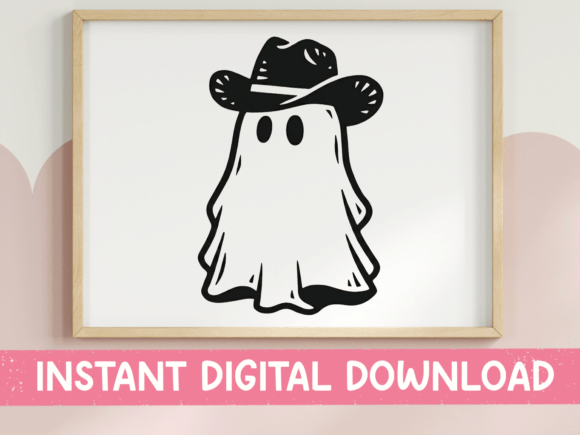
When I first opened the file for the Smiling Cowboy Ghost Halloween Design, my immediate reaction wasn't about stitch counts or file formats. It was about the mood. In a sea of spooky, jagged, and terrifying Halloween graphics, this cheerful ghost with its wide smile and tilted cowboy hat feels like a breath of fresh air. As someone who has spent years reviewing embroidery designs for real-world projects, I look for that specific spark—a design that doesn't just fill space but tells a story. This piece delivers exactly that: a friendly, hand-sketched ink style that promises to turn a standard holiday garment into something with genuine personality.
The visual personality here is distinct. The bold outlines combined with the hand-drawn aesthetic give it a rustic, western charm that fits perfectly alongside traditional Americana themes. But beyond the initial aesthetic appeal, the question remains: does this hold up under the needle? Can it translate from a digital preview to a high-quality finished product on various fabrics? After running through several mental scenarios involving custom apparel and small business merchandise, here is my practical breakdown of how this design performs in the real world.
Real-World Application: From Digital File to Finished Product
Let's imagine a specific scenario. You are an Etsy seller preparing your inventory for the fall season. You need a unique item that stands out in search results but also resonates with customers looking for something lighthearted rather than scary. You decide to create a custom embroidered tote bag or perhaps a cozy sweatshirt for a local craft fair. This is where the Smiling Cowboy Ghost Halloween Design shines.
The compact, centered composition is a massive advantage here. When stitching onto a tote bag or the chest of a sweatshirt, you want a design that commands attention without overwhelming the fabric. The ghost's pose is balanced, making it easy to hoop and center. If you were to place this on a baby onesie, the friendly nature of the character ensures it looks adorable rather than intimidating. For a handmade shop owner, this design offers versatility. It works equally well as a standalone graphic on a kitchen towel or as part of a larger set of holiday gifts.
I envision this being used on dark-colored fabrics as well. The bold outlines provide enough contrast to ensure the details remain visible even on navy or black cotton blends. However, the success of the final product depends heavily on thread color selection. A bright yellow or orange for the ghost against a dark background could make the smile pop, while a white ghost on a cream shirt would offer a softer, more vintage look. The key is ensuring the thread colors complement the bold lines of the sketch style.
Where to Use (and Where to Pause)
While this design is robust, every embroiderer knows that context matters. There are specific situations where you might need to exercise caution. For instance, if you are working with extremely thin or stretchy fabrics, such as lightweight jersey or silk, the density of the fill stitches might cause puckering. In these cases, using a proper stabilizer is non-negotiable. A tear-away or cut-away backing will help maintain the integrity of the design and prevent the fabric from distorting around the stitched area.
Another area to consider is the size of the hoop. While the design is described as compact, if you attempt to stitch this on a very small surface, like the front panel of a baseball cap or a tiny patch, you must verify the dimensions. Curved surfaces can sometimes distort straight lines, so testing the layout on a scrap piece of the actual cap material before committing to the final project is wise. Additionally, if you are planning to wash these items frequently, such as aprons or work shirts, ensure the stitch density is sufficient to withstand friction without fraying.
Be careful with textured fabrics. If you are stitching onto a heavy denim jacket or a fleece hoodie, the texture of the fabric itself might interfere with the clarity of the fine details in the hand-sketched style. The bold outlines should help, but if the fabric is too rough, the machine might struggle to pull the thread through cleanly. Always test on a scrap first to see how the needle interacts with the material.
Visual Appeal and Brand Consistency
For creative entrepreneurs and commercial embroidery professionals, the visual impact of a design directly influences customer trust and perceived value. A sloppy stitch job or a design that looks muddy after stitching can damage a brand's reputation. The Smiling Cowboy Ghost Halloween Design avoids many common pitfalls because of its clean, outlined approach. The simplicity of the shape means there are fewer tiny, intricate details that could get lost in the stitching process.
This design elevates the perceived quality of the finished product. When a customer sees a well-executed embroidery of a smiling ghost on a high-quality tote bag, they associate that care with the maker. It suggests professionalism and attention to detail. Furthermore, the friendly theme makes the product highly "giftable." People often hesitate to buy scary Halloween items for children or pets, but a cheerful cowboy ghost is universally appealing. This broadens your potential market significantly, allowing you to target families, pet owners, and anyone who enjoys a touch of whimsy during the holidays.
In terms of branding, the hand-sketched ink style gives the design a unique, artisanal feel. It moves away from the generic clip-art look that plagues many mass-produced items. For an Etsy seller or a boutique owner, this distinction is crucial. It helps your products stand out in a crowded marketplace. Whether you are creating a printable mockup for your online store or displaying a physical sample at a craft fair, this design conveys a sense of warmth and creativity that draws buyers in.
Practical Designer Notes for Success
To ensure your Smiling Cowboy Ghost Halloween Design translates perfectly from screen to fabric, keep these technical tips in mind. First, always run a test stitch on a scrap of the same fabric you intend to use. This allows you to check the stitch density and see if the tension needs adjustment. If the design appears too dense, it might be necessary to reduce the fill percentage slightly to prevent bulkiness, especially on thinner materials.
Review the stitch types carefully. Satin stitches are likely used for the outlines and the hat brim, providing a smooth, shiny finish, while fill stitches probably make up the body of the ghost. Ensure your machine is calibrated for these transitions. Running stitch might be used for finer details, so check that the tension holds up on those sections. If the design includes any text or small lettering, double-check the legibility; sometimes, what looks good on a screen can become illegible when stitched small.
Don't forget to inspect the design in black and white mockups. This helps you visualize the contrast levels without the distraction of color. It also ensures that the design works on both light and dark backgrounds. If you plan to sell this as a digital embroidery file, confirm the licensing terms clearly. Make sure you have the right permissions for commercial use if you intend to sell finished items or include this in a bundle of design assets.
Finally, consider the overall workflow. Using the correct stabilizer is just as important as the design itself. For a design like this, which relies on bold outlines, a medium-weight cut-away stabilizer often provides the best support for maintaining shape over time. By taking these steps, you ensure that the Smiling Cowboy Ghost Halloween Design becomes a staple in your collection of custom apparel and personalized gifts, ready to delight customers and boost your craft business.