Reviewing BEING an AUTO BODY TECHNICIAN is EASY, I
As someone who has spent years turning digital files into tangible handmade products, I approach every new download with a mix of excitement and skepticism. Today, I am putting the BEING an AUTO BODY TECHNICIAN is EASY, I design under the microscope to see if it holds up in a real-world embroidery scenario. This isn't just about how it looks on a screen; it is about how it behaves when the needle hits the fabric.
The first impression of this design is one of immediate relatability. The phrase carries a distinct personality—it is witty, slightly rebellious, and perfectly tailored for the automotive trade. For a small business owner or an Etsy seller looking to expand their inventory, designs like this are gold because they tap into a specific niche identity. However, the visual weight of the text requires careful consideration before you commit it to your embroidery project.
Visual Personality and Layout Analysis
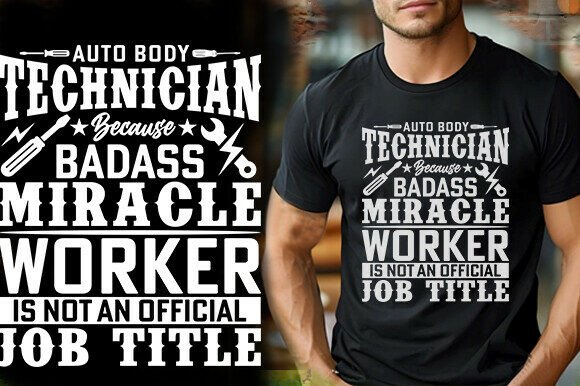
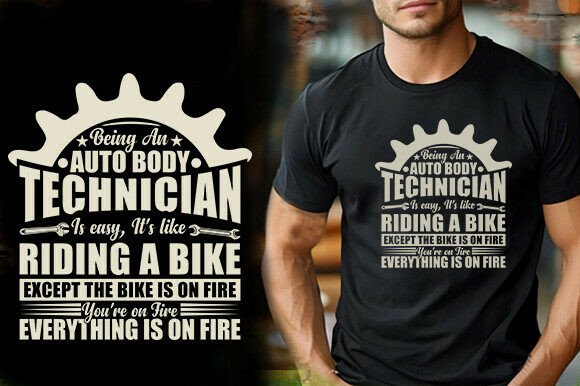
When I look at BEING an AUTO BODY TECHNICIAN is EASY, I, I see a layout that demands space. The typography likely relies on a bold style to convey confidence, which is essential for a profession known for its grit and skill. In terms of stitch density, a design with long lines of text can sometimes suffer from puckering if not stabilized correctly. The mood here is casual yet professional, making it perfect for custom apparel where the wearer wants to show pride in their craft without being overly formal.
The design feels most natural on sturdy fabrics. Imagine this stitched onto a heavy-duty canvas tote bag or a thick cotton sweatshirt. The contrast between the thread colors and the fabric texture will define the final quality. If the font includes thin serifs or intricate curves, those areas might need special attention during digitizing to ensure they do not break down after washing. But for a standard block letter design, this file promises high visibility and strong brand recognition.
Real-World Application: The Cap Scenario
Let's imagine a specific case. I am preparing a batch of gifts for a local auto repair shop's annual appreciation event. The client wants embroidered caps for the mechanics. This is where BEING an AUTO BODY TECHNICIAN is EASY, I gets interesting. Caps present a unique challenge due to their curved surfaces and limited hoop size.
If the design is too wide, it will wrap awkwardly around the curve of the hat, causing distortion. A smaller hoop size often forces the machine to work harder, potentially leading to skipped stitches in dense areas. However, if the design is optimized for a 4x4 or 5x7 hoop, it could look fantastic on a flat-front trucker hat. The humor in the phrase would resonate instantly with the team, boosting morale and creating a sense of unity. It transforms a simple uniform item into a personalized gift that employees actually want to wear.
Alternatively, consider using this design on a kitchen towel or an apron for a mechanic's home garage. The durability of the embroidery becomes key here. Unlike a t-shirt that might get washed gently, an apron sees grease, water, and frequent scrubbing. The fill stitch areas must be robust enough to withstand this abuse without fraying. If the design includes decorative accents, they should be placed away from high-friction zones to maintain the integrity of the finished product.
Performance Across Different Materials
Not all fabrics play nice with every design. When evaluating BEING an AUTO BODY TECHNICIAN is EASY, I, I have to think about where it fits best and where it might struggle.
- Sweatshirts and Hoodies: These are ideal candidates. The thick fabric provides a stable base for the satin stitch edges, preventing the threads from pulling through. The soft texture of the fleece contrasts beautifully with the raised embroidery, giving the piece a premium feel.
- Tote Bags: Canvas is durable but can be tricky with tight spacing. If the letters are too close together, the running stitch details might get lost in the weave of the bag. A lighter background color would make the text pop, enhancing the visual appeal for customers browsing a boutique.
- Baby Clothes: While the sentiment is funny, applying this to delicate baby garments requires caution. Thin fabric and stretchy materials can distort easily. If you attempt this on a onesie, you must use a high-quality stabilizer and perhaps reduce the stitch count to avoid discomfort against the skin.
- Dark Fabrics: Contrast is king here. On black or navy material, light-colored threads are essential. If the original design assumes a white background, you may need to adjust the thread colors or add a backing layer to prevent the dark fabric from showing through the stitches.
Critical Considerations for Stitch Clarity
One of the biggest risks with text-heavy designs is legibility. After dozens of washes, some details can blur. For BEING an AUTO BODY TECHNICIAN is EASY, I, the kerning (spacing between letters) is crucial. If the letters are too tight, they will merge into a blob. If they are too loose, the message loses its impact. Before running a full production run, always test the design on scrap fabric.
I also recommend checking the design in black and white mockups. Sometimes, a design looks vibrant in color but lacks definition when converted to grayscale. This step ensures that the embroidery file maintains its visual appeal regardless of the thread colors chosen. It also helps in identifying any potential issues with thread colors that might clash or fade over time.
Commercial Viability and Customer Trust
For the Etsy seller or craft business owner, the quality of the embroidery directly impacts customer trust. A sloppy stitch job can ruin the reputation of a handmade shop. Using a well-structured design like this one can elevate your brand consistency. When a customer receives a personalized gift that looks sharp and professional, they are more likely to leave a positive review and return for future purchases.
This design works exceptionally well as a commercial embroidery asset for shops specializing in automotive gear. It adds a touch of humor to otherwise utilitarian items like tool bags or work shirts. The versatility allows it to fit into various categories, from holiday embroidery gifts to everyday wear. However, remember to confirm licensing terms before selling finished items. Ensuring you have the right permissions protects your small shop product line from legal issues.
Practical Tips for Success
To get the most out of BEING an AUTO BODY TECHNICIAN is EASY, I, follow these steps:
- Test First: Always run a sample on the actual fabric you plan to use. Check for puckering and thread breaks.
- Stabilize Properly: Use the correct type of stabilizer for your fabric weight. Hoop tension is critical for maintaining shape.
- Inspect Details: Zoom in on the smallest letters to ensure they will stitch clearly.
- Mockup Variations: Create printable mockups to visualize the design on different backgrounds before stitching.
- Verify Formats: Ensure your machine is compatible with the provided file formats. If details are missing, check the source documentation.
In conclusion, BEING an AUTO BODY TECHNICIAN is EASY, I is a strong contender for anyone looking to add a dash of automotive humor to their collection. It balances wit with professionalism, making it suitable for both personal projects and commercial ventures. By paying attention to fabric choice, stabilization, and stitch density, you can transform this digital graphic into a stunning finished product that stands out in any market.