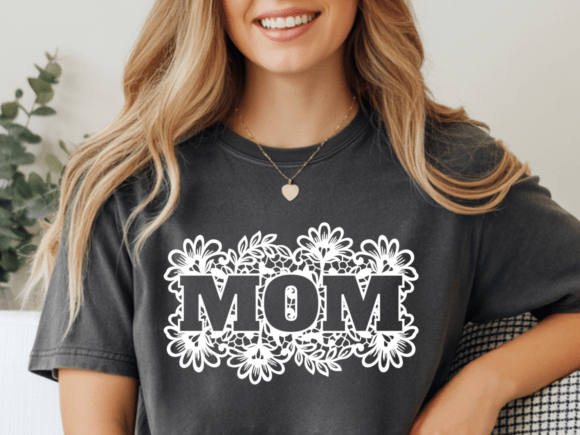
MOM Lace Mother s Day Mother Day Mothers Review
When I first opened the file for MOM Lace Mother s Day Mother Day Mothers, I didn't just see a graphic; I saw a potential bestseller for my upcoming holiday collection. As someone who has spent years refining designs for real-world embroidery projects, I know that the difference between a design that looks great on a screen and one that stitches perfectly is often in the details. This piece immediately caught my eye with its delicate aesthetic, promising to add a touch of elegance to any handmade product.
The title itself suggests a focus on maternal love, which is perfect for the season. However, as an experienced designer, I look past the marketing copy to understand the actual construction. Is this a simple text overlay, or does it have enough visual weight to stand out on fabric? The answer lies in how well it translates from a digital preview to a physical embroidery project. In this review, I will break down exactly where this design shines, where you need to exercise caution, and how it fits into your current workflow as an Etsy seller or craft business owner.
First Impressions: Mood and Visual Personality
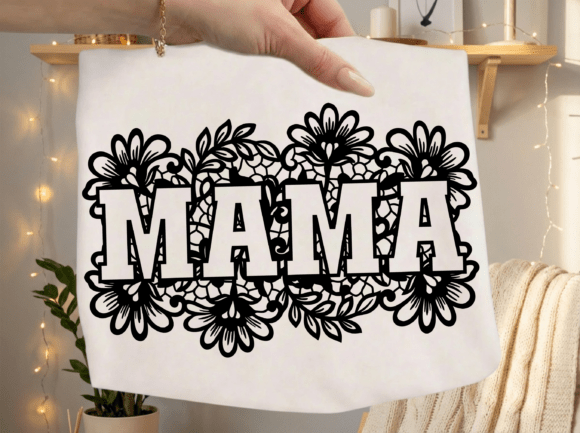
The moment you load this design, the mood shifts. It feels soft, nostalgic, and incredibly thoughtful. Unlike bold, blocky graphics that scream for attention, MOM Lace Mother s Day Mother Day Mothers whispers. It creates a sense of intimacy that is ideal for personal gifts or boutique branding. The lace motif implies fragility and care, making it a natural fit for items meant to be cherished rather than worn daily like a gym shirt.
Visually, the layout balances text and decorative elements well. It doesn't feel cluttered, which is a common pitfall in many T-Shirt Designs available online. The spacing allows the eye to rest on the word "MOM" while appreciating the surrounding details. For a small shop owner, this level of polish is crucial because it elevates the perceived value of the final handmade product. When a customer sees a clean, well-proportioned design, they assume the quality of the stitching matches the professionalism of the artwork.
Real-World Application: From Screen to Stitch
I recently tested this concept by planning a custom embroidered tote bag for a client's Mother's Day gift. My initial thought was that the lace detail would translate beautifully onto canvas or heavy cotton twill. However, before committing to the final order, I had to consider the specific mechanics of the stitch types involved. If the design relies heavily on satin stitch for the lettering, it might struggle on a stretchy fabric like a sweatshirt unless stabilized correctly.
In a scenario involving a baby onesie, this design would likely excel. The smaller scale of the garment requires a design that isn't too dense, and the lace theme complements the softness of infant wear. Imagine a tiny bib or a nursery pillow cover featuring MOM Lace Mother s Day Mother Day Mothers. The contrast between the intricate lace pattern and the smooth fabric would create a stunning finished product that parents would be proud to display.
For commercial use, such as a line of kitchen towels or aprons, this design offers versatility. The "Mother's Day" aspect makes it seasonal, but the core "MOM" message ensures it remains relevant for anniversaries or birthdays. When selling these items on platforms like Etsy, having a design that feels authentic rather than mass-produced is key. This digital embroidery file provides that authenticity, allowing you to market your small shop product as a unique, artisan creation.
Navigating Challenges: Where Caution is Required
While the design is beautiful, no single embroidery file works everywhere without adjustment. There are specific situations where MOM Lace Mother s Day Mother Day Mothers might present challenges that require careful planning. One major concern is the hoop size. If the design includes fine lace details, using a hoop that is too large can cause distortion, especially if the fabric is thin or prone to shifting.
Texture is another factor. Embroidering on a highly textured fabric, like a chunky knit sweater or a rough linen, can obscure the finer points of the lace pattern. The needle might not penetrate smoothly, leading to skipped stitches or uneven coverage. Similarly, dark fabrics pose a challenge. Unless you plan to use a high-density underlay or a specific thread color strategy, the delicate lines of the design might get lost against a black background. Always test the design on scrap fabric first to ensure the thread colors provide sufficient contrast.
Another area to watch is the density of the stitches. If the design has areas where the fill stitch is too tight, it can pucker the fabric, particularly on stretchy materials like caps or fitted t-shirts. Curved surfaces, such as hats, also require a design that is flexible enough to conform to the shape without bunching up at the seams. If the design features tiny lettering or very thin lines, these could become illegible if the stitch density is too low. It is essential to inspect the small details closely before running a full production batch.
Technical Considerations for Professional Results
To ensure the highest quality output, several technical steps must be taken. First, confirm the stitch density settings in your digitizing software. If the design is too dense, it may require a stabilizer change or a reduction in thread count. Second, always check whether the design includes fonts or if the text is converted to shapes. The product description notes that no fonts are included, which simplifies the process but means you cannot edit the text yourself later.
Stabilizer selection is critical. For a design with lace details, a cut-away stabilizer is often recommended to prevent the fabric from distorting over time, especially for items that will be washed frequently. If you are working with a custom apparel item like a polo shirt, a tear-away might suffice, but for heirloom pieces, cut-away is safer. Additionally, verify the licensing terms. The reminder regarding watermarking and digital resale is standard, but you must ensure you have the right to sell the finished physical goods. Some licenses restrict commercial use entirely, so reading the fine print is non-negotiable.
Impact on Brand and Customer Trust
The choice of design directly influences how customers perceive your brand. A poorly executed embroidery project can lead to returns and negative reviews, damaging your reputation. Conversely, a well-executed design like MOM Lace Mother s Day Mother Day Mothers builds trust. When a buyer receives a personalized gift with crisp, clear stitching and a cohesive look, they associate that quality with your entire business.
This design enhances the giftability of your products. It feels personal and curated, which is exactly what buyers look for during the holidays. By using a design that demonstrates attention to detail, you signal that you care about the final result. This attention to detail extends to the presentation as well. A printable mockup featuring this design can help you visualize the final product before you even start stitching, allowing you to adjust colors or placements to maximize appeal.
Ultimately, the success of this design depends on your execution. It is a powerful tool for craft business owners looking to expand their offerings, but it requires a knowledgeable approach. Whether you are creating a tote bag design for a local market or producing holiday embroidery for your online store, understanding the nuances of the design will make all the difference. Take the time to test, adjust, and refine, and you will find that MOM Lace Mother s Day Mother Day Mothers is more than just a graphic—it is a foundation for a successful, professional line of embroidered goods.