Coquette Autumn Essentials Fall T-Shirt Review
As a designer who spends more time looking at stitch density and thread tension than I do checking social media trends, I approach every new embroidery file with a healthy dose of skepticism. The market is saturated with "fall vibes" and "cozy aesthetics," so finding a design that actually translates well from screen to fabric is rare. That is why I took a close look at the Coquette Autumn Essentials Fall T-Shirt graphic before committing it to my hoop. This isn't just about whether it looks cute; it is about whether it functions as a viable asset for a craft business or a high-end personalized gift.
The First Impression: Mood and Visual Personality
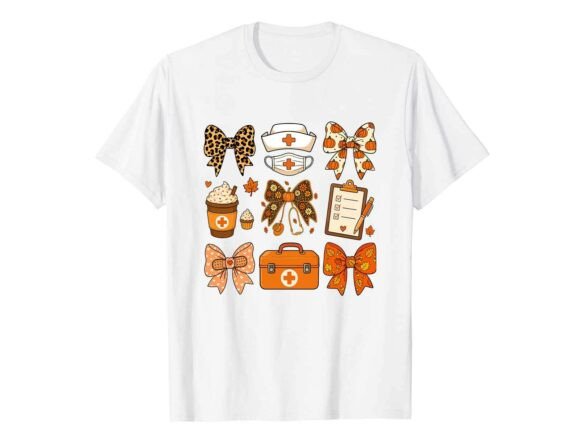
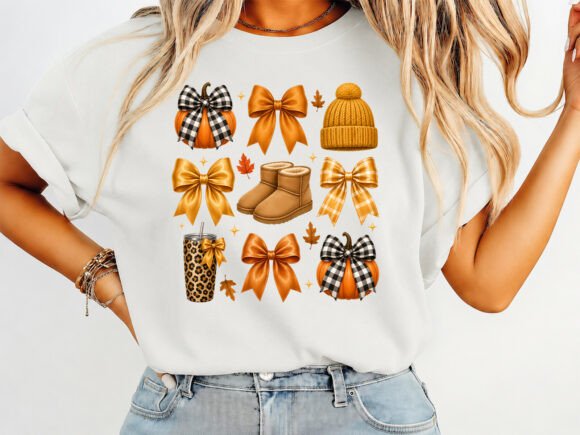
The moment you load this machine embroidery design, the mood is immediately established. It captures that specific intersection of rustic comfort and modern feminine trendiness that defines current fall fashion. The composition brings together pumpkins, bows, boots, a coffee tumbler, a knit beanie, and scattered autumn leaves. For an Etsy seller or small shop product creator, this combination is strategic. It hits multiple search keywords visually without feeling cluttered.
What stands out first is the layout. Unlike many seasonal designs that feel like a random scatterplot of icons, this arrangement has a natural flow. The inclusion of the bow—a staple of the "coquette" aesthetic—anchors the piece, giving it a soft, romantic edge that contrasts nicely with the ruggedness of the boots and pumpkins. Visually, it feels balanced. But does it hold up when we talk about actual stitching? That is where the real evaluation begins.
Real-World Application: From Screen to Stitch
I recently tested this concept on a custom embroidered tote bag project intended for a holiday pop-up market. The goal was to create a personalized gift that felt premium but accessible. When planning the execution, I had to consider how the various elements would interact with different fabrics and hoop sizes.
Custom Apparel and Sweatshirts
This design shines on heavyweight cotton blends. The visual weight of the pumpkin and boot motifs provides enough substance to stand out against thick fabric. However, on a standard t-shirt, the detail level requires careful attention. If you are producing custom apparel for a boutique brand, you want the satin stitches outlining the beanie and tumbler to be crisp. Any fuzziness here can make a handmade product look amateurish rather than artisanal.
Baby Items and Nursery Decor
There is a surprising versatility here for smaller projects. The softer elements—the leaves and the bow—translate beautifully to baby onesies or nursery wall hangings. Because the design includes gentle curves, it avoids the harsh geometric lines that can sometimes feel too aggressive in baby embroidery. It creates a sense of warmth that parents look for when buying gifts.
Accessories and Home Goods
I also considered using this as an embroidered patch for denim jackets or as a focal point on kitchen towels. The coffee tumbler element specifically lends itself well to home goods. It suggests a lifestyle, not just a season. For a craft business looking to expand into home decor, this design offers a bridge between wearable fashion and interior accents.
Technical Considerations and Potential Pitfalls
No design is perfect, and knowing where a design struggles is just as important as knowing where it succeeds. Here is where I advise designers to exercise caution with the Coquette Autumn Essentials Fall T-Shirt.
- Small Hoop Sizes: If you are attempting to digitize or use this on very small items like cap brims or tiny baby socks, you may lose clarity. The intricate details of the leaf veins and the texture of the knit beanie might merge into a blob if the hoop size is too restrictive. Always test on scrap fabric first.
- Textured Fabrics: While linen and burlap add character, they can hide fine satin stitch work. On highly textured surfaces, the smooth finish of the tumbler or the sharp edges of the boot laces might get lost. Stick to smoother weaves for maximum impact.
- Dense Stitch Areas: Pay attention to the fill stitches used for the pumpkin body. If the stitch density is too high, the fabric can pucker, especially on lighter materials. Conversely, if it is too low, the underlay might show through. Adjusting your stabilizer choice is critical here.
- Dark Fabrics: Contrast is key. On dark backgrounds, ensure your thread colors are bright enough to pop. The autumn palette usually works well, but if you are using muted earth tones on a black garment, the design might lack definition. Test your thread colors against your target fabric.
Impact on Product Value and Brand Consistency
For the commercial embroidery professional, the question is always: does this design increase perceived value? I believe it does. The "coquette" trend is currently driving significant engagement on social platforms. By offering a design that merges this trend with classic fall imagery, you are tapping into a ready-made audience.
When customers see a finished product featuring this design, they associate it with thoughtfulness. It signals that the maker understands current aesthetics. This builds customer trust and encourages repeat purchases. Whether you are selling a printable mockup to other designers or a physical finished product, the visual appeal of this design supports a higher price point because it looks intentional and polished.
Practical Designer Notes for Success
Before you rush into production, keep these practical tips in mind to ensure your embroidery project goes smoothly:
- Test on Scrap Fabric: Never assume a design will behave perfectly. Run a test stitch-out to check for any threading issues or alignment problems.
- Review Stitch Density: Zoom in on the digital preview. Are there areas where the fill stitch might overlap awkwardly? Are the running stitch details thin enough to remain distinct?
- Check Licensing: If you plan to sell the finished items, confirm the licensing terms of the original graphic. Even if you are adding your own digitization, the source art matters for commercial embroidery rights.
- Use Proper Stabilizer: The right stabilizer can make or break a project. For stretchy fabrics like t-shirts, a cut-away stabilizer is often necessary to prevent distortion over time.
- Black and White Mockups: View your design in grayscale. This helps you assess the contrast and balance without being distracted by color choices.
Final Verdict
The Coquette Autumn Essentials Fall T-Shirt is a strong contender for any designer’s library. It balances trendiness with timeless fall elements, making it relevant for months. It works exceptionally well for tote bag design, sweatshirt embroidery, and holiday embroidery collections. While it requires careful attention to hoop size and fabric choice to maintain its delicate details, the payoff in terms of customer appeal is significant.
For the creative entrepreneur looking to expand their design assets or launch a seasonal line, this graphic offers a solid foundation. It is versatile enough to span categories from apparel decorators to kitchen towel makers, yet specific enough to feel curated. Just remember to respect the technical limitations of embroidery, and this design will serve you—and your customers—well.