Bad Day to Be a Turkey Embroidery Review
As an embroidery designer who spends more time than I care to admit staring at stitch charts and testing thread tensions, I have learned that the difference between a "cute" design and a handmade product worth selling comes down to execution. We all love browsing digital assets for inspiration, but when it comes time to put the needle to fabric, practical judgment takes over. Today, I am evaluating the Bad Day to Be a Turkey Coquette T-Shirt, a graphic originally categorized under T-Shirt Designs and Graphics. While it started as a print concept, my goal here is to determine how this piece translates into real-world machine embroidery work, whether it holds up in a small business context, and if it deserves a spot in your seasonal library.
The First Impression: Mood and Visual Personality
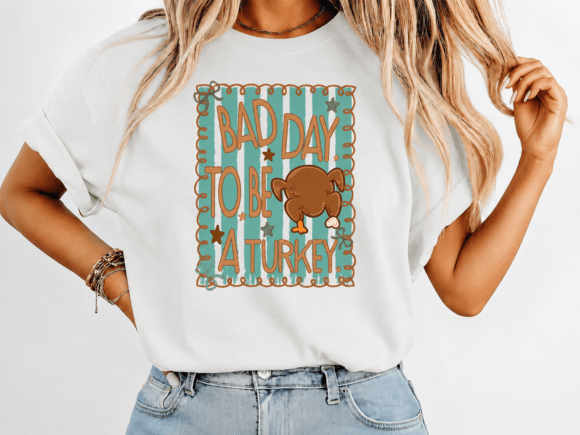
The moment you look at the source file for the Bad Day to Be a Turkey Coquette T-Shirt, the vibe is immediately distinct. It leans heavily into the current trend of "coquette" aesthetics—think soft curves, playful bows, and a touch of vintage whimsy—mixed with a classic Thanksgiving theme. The quote “Bad Day To Be A Turkey” is rendered in a trendy retro style, which gives it immediate nostalgia appeal. For a crafter or Etsy seller, this visual personality is gold. It isn’t just a generic holiday shirt; it has character.
From a design perspective, the layout feels balanced. The interplay between the typography and the cute turkey illustration suggests a design that is approachable and humorous. This is crucial for holiday embroidery projects where buyers are often looking for something lighthearted rather than traditional or somber. The retro styling ensures that it doesn’t feel dated too quickly, giving your finished product a longer shelf life in a boutique setting.
Real-World Application: Where Does This Design Shine?
In my experience, not every graphic translates well to thread. Some designs lose their soul when converted from pixels to stitches. However, the Bad Day to Be a Turkey Coquette T-Shirt seems built for versatility. Here is how I see this performing in actual production scenarios:
- Custom Apparel and Sweatshirts: This is the most obvious use case. The design’s scale works beautifully on the chest area of crewneck sweatshirts or high-quality cotton tees. The contrast between the soft retro colors and the texture of fleece or jersey creates a tactile appeal that customers love.
- Holiday Gifts and Personalized Products: Because the humor is relatable, this makes for an excellent personalized gift. Imagine gifting this on a custom apron or a kitchen towel to a friend who loves cooking (and perhaps dreads being the main course). It adds a layer of thoughtfulness to the embroidery project.
- Etsy Seller Merchandise: For those running a craft business, this design fits perfectly into fall collections. It pairs well with other autumnal elements like leaves or pumpkins if you are creating layered garments. It also works as a standalone statement piece for small shop products.
- Baby Embroidery: The "cute" factor is high enough that this could be adapted for baby onesies or burp cloths. The gentle curves of the coquette style are soft enough for nursery decor or baby items without feeling overly childish.
Technical Considerations for Embroidery Designers
Before you load this digital embroidery file into your hoop, there are technical realities you must consider. A beautiful graphic can fail if the digitization ignores the physics of thread and fabric.
Stitch Density and Detail Level
The retro font likely contains fine details and thin lines. When converting text to a satin stitch, you need to ensure the spacing is wide enough to prevent puckering. If the stitch density is too high, the fabric will distort, especially on stretchy materials. I recommend checking the original file to see if the lettering relies on tiny serifs or intricate cuts that might get lost in translation. If the turkey illustration includes many small decorative accents, ensure they are large enough to be stitched cleanly.
Fabric and Stabilizer Choices
The success of this embroidery project depends heavily on your base material. On a sturdy cotton t-shirt, the design will hold its shape well. However, if you attempt this on a thin, loose-weave fabric or a highly textured knit, the running stitch and fill stitch areas may bleed or look uneven. Always use a proper stabilizer—cut-away for knits to prevent shifting during washing, and tear-away for wovens if the design isn’t overly dense.
Thread Color Contrast
The "coquette" aesthetic often utilizes pastels or muted tones. If you are embroidering this on dark fabric, you will need to choose thread colors that pop. A white or cream turkey against black might look stark, whereas a pastel pink bow against navy blue could capture that trendy vibe perfectly. Test your thread colors on scrap fabric first to check contrast levels.
Where to Use This Design Carefully
Even great designs have limitations. There are specific contexts where the Bad Day to Be a Turkey Coquette T-Shirt might struggle:
- Small Hoop Sizes: If you are trying to fit this onto a very small item, such as a child’s hat brim or a tiny patch, the detail may become muddy. Ensure your hoop size allows for adequate spacing between elements.
- Curved Surfaces: Embroidering flat graphics on curved surfaces like baseball caps can be tricky. The perspective shift might make the retro font look distorted unless the design is specifically digitized for curvature.
- Dense Stitch Areas: Avoid placing this design over seams, pockets, or heavy zippers. The added bulk can cause discomfort and affect the longevity of the finished product.
- Frequent Washing: If this is for a kitchen towel or work apron that will be washed daily, ensure the design uses durable stitch types. Excessive satin stitching can wear down faster than fill stitches in high-friction areas.
Final Verdict: Is It Worth Adding to Your Library?
The Bad Day to Be a Turkey Coquette T-Shirt is a strong candidate for anyone looking to add a touch of humor and trendiness to their fall collection. Its visual appeal is high, and its thematic relevance to Thanksgiving makes it a timely asset for commercial embroidery businesses. However, as with any design asset, the final result rests on your technical execution.
I advise taking the time to test this thoroughly. Check the licensing terms if you plan to sell finished goods. Inspect the stitch density and adjust if necessary. Compare light and dark fabric backgrounds to ensure the color palette works. By doing your due diligence, you can transform this graphic from a simple image into a professional, market-ready embroidery file that delights customers and builds trust in your brand. If executed well, this design has the potential to become a bestseller in your craft business inventory.